7
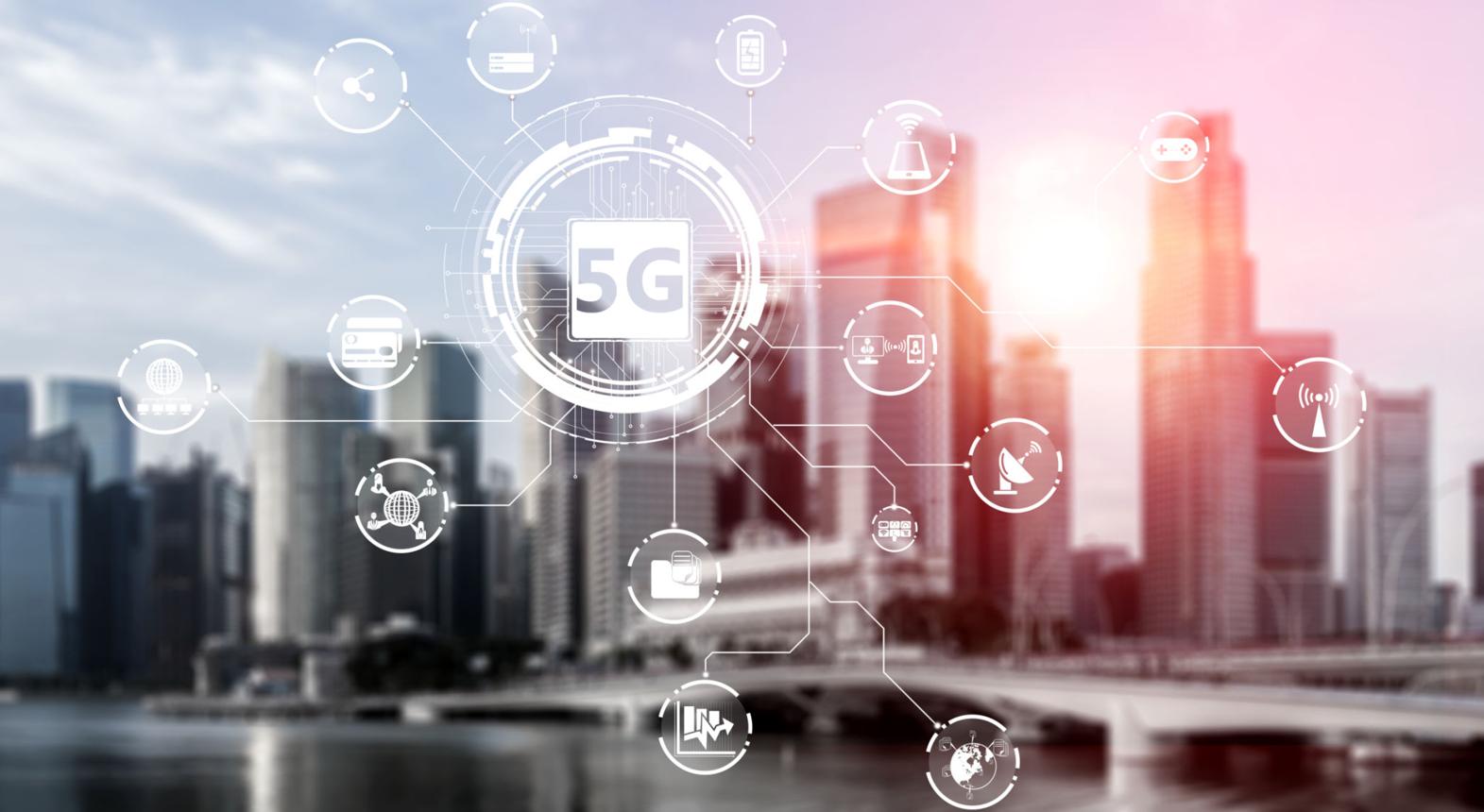
India’s 5G revolution is transforming the digital landscape — promising ultra-fast speeds, low latency, and high data capacity. Yet, the real backbone of this revolution lies underground — in the fiber optic networks that connect every 5G tower, data center, and smart device.
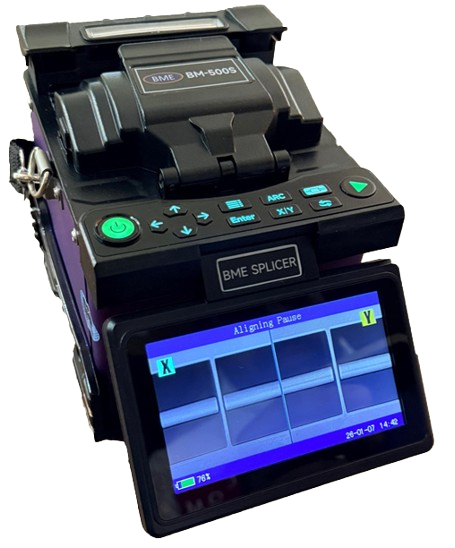
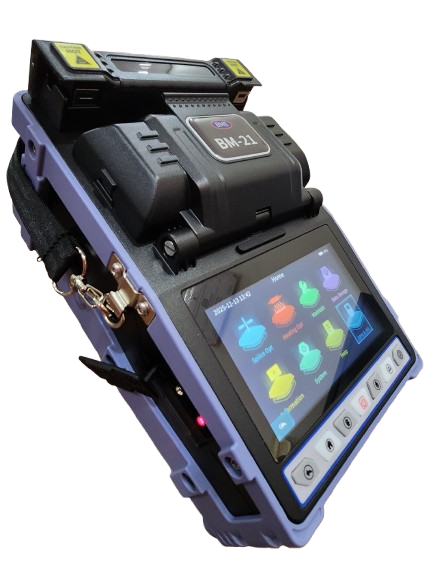
As telecom operators expand high-speed 5G coverage across the country, BME fusion splicing machines (BM-21 & BM-500S) are playing a crucial role in ensuring strong, seamless, and low-loss fiber connections that can handle the data demands of next-generation networks.
Why Fusion Splicing Machines Are Essential for 5G
1. Foundation for 5G Networks
Unlike 4G, 5G requires dense fiber optic networks and small cells to handle high bandwidth and real-time communication. Fiber optic cables offer ultra-low latency, high data capacity, and long-distance reliability, making them the essential backbone for 5G.
BME BM-21 and BM-500S fusion splicing machines ensure seamless fiber connections for maximum efficiency, delivering precise core alignment and minimal signal loss.
2. Backbone for Telecom Expansion
Leading telecom operators such as Reliance Jio, Bharti Airtel, and BSNL rely heavily on fusion splicing technology for long-haul and metro fiber routes.
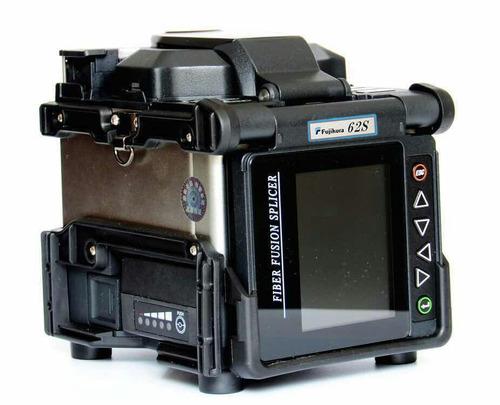
These high-precision splices form the core backhaul infrastructure that powers nationwide 5G networks. Field engineers trust BME BM-500S and BM-21 fusion splicing machines for their:
- Core alignment accuracy
- Rugged durability
- Portable design for field use
Backbone fiber fusion splicing machine
3. FTTH and Broadband Rollouts
5
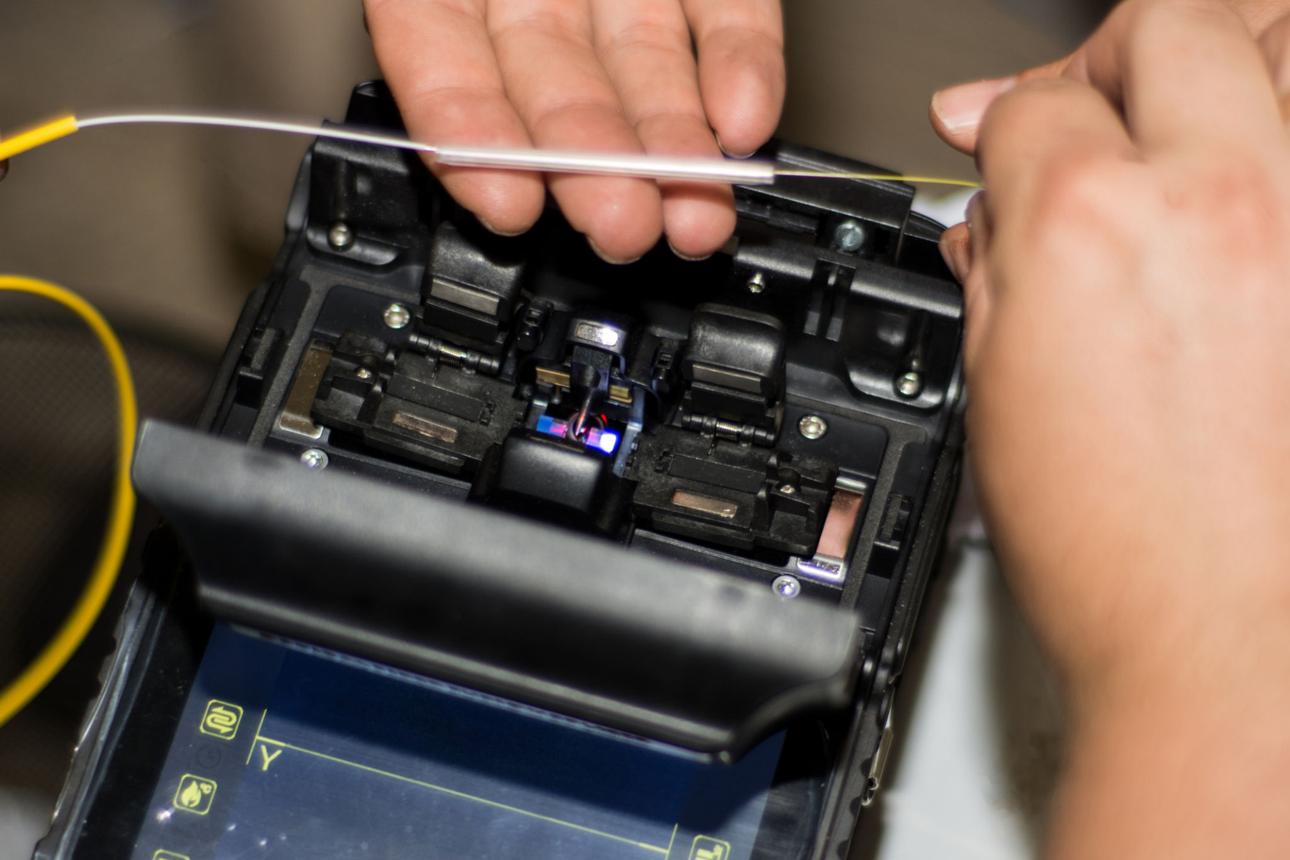
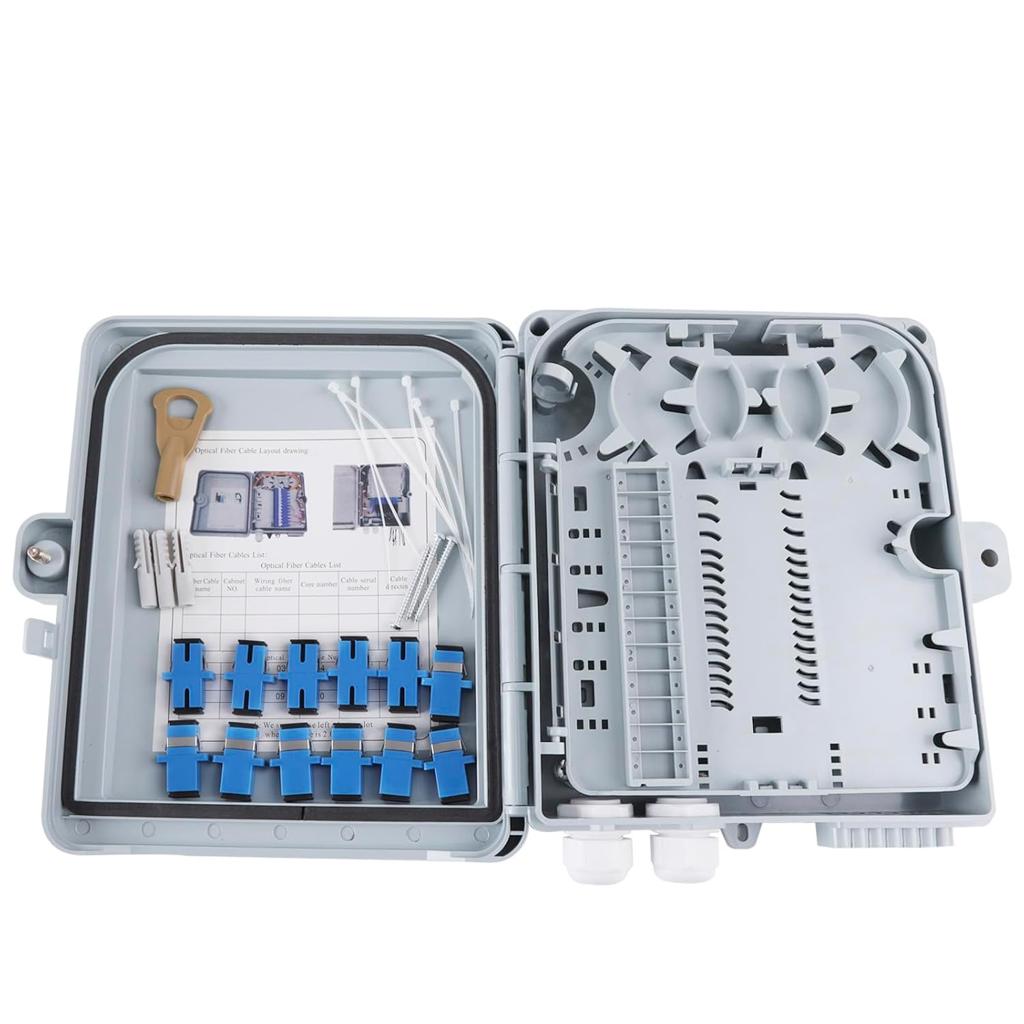
The rise in FTTH (Fiber-to-the-Home) and IoT-based applications requires massive fiber installations across residential and business networks.
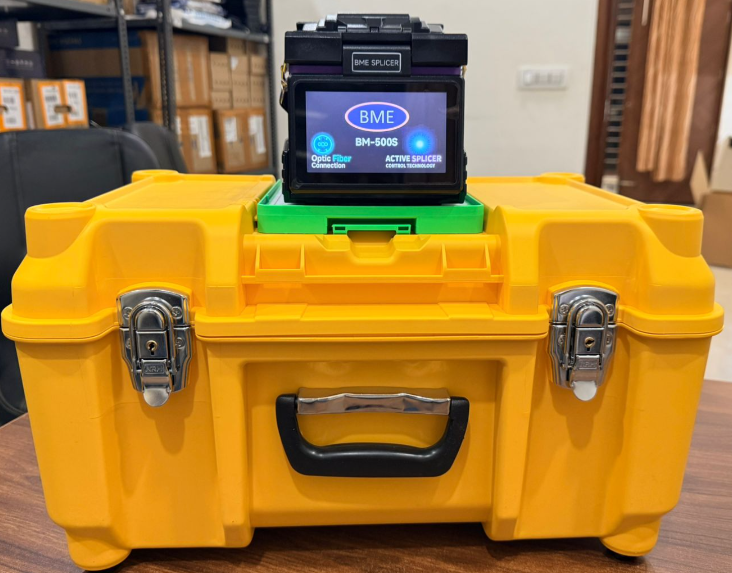
Compact and high-speed splicers such as BME BM-21 and BM-500S are helping technicians complete drop fiber connections with efficiency and precision — ensuring high-speed, stable connectivity to homes and enterprises.
Touch screen fiber fusion splicing machine
4. Smart Cities and Data Centers
6
In smart cities, industrial automation zones, and hyperscale data centers, fusion splicing is the cornerstone of network reliability.
BME fusion splicing machines enable:
- High-density fiber connectivity
- Stable, low-loss performance
- Reliable real-time data transmission
These capabilities are essential for 5G base stations, enterprise networks, and AI-driven infrastructure.
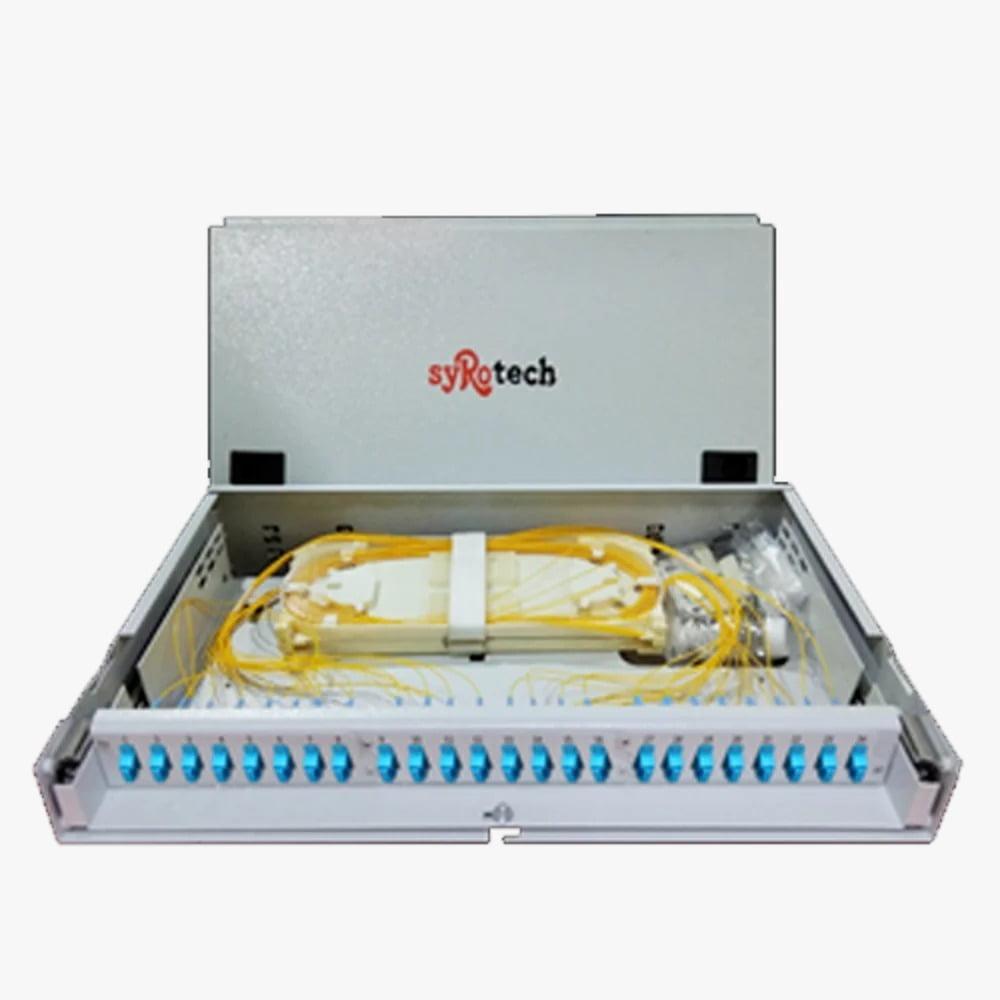
Fiber fusion splicing machine for data centers
Advanced Features Powering India’s 5G Fiber Network
Modern BME fusion splicing machines (BM-21 & BM-500S) come with cutting-edge technologies designed to accelerate field deployment:
- Core Alignment Technology: Ensures maximum accuracy with minimal insertion loss
- Auto Arc Calibration: Adapts to varying environmental and fiber conditions automatically
- High-Speed Splicing & Heating: Reduces installation time for large projects
- Rugged, Portable Design: Built to withstand dust, heat, and vibration — ideal for Indian field environments
- Smart Data Logging: Stores splice records for quality control and project documentation
India’s Growing Fiber Demand
Growing Demand: According to TRAI and DoT reports, India requires over 3 million km of new fiber by 2026 to meet 5G and FTTH demands.
Indispensable Tool: BME fusion splicing machines are an indispensable tool for telecom providers, network integrators, and government projects like BharatNet.
Digital Future: These machines are essential for building the country’s high-speed fiber backbone, enabling India’s digital-first, 5G-enabled future.
Conclusion
As India accelerates toward a 5G-powered digital era, BME fusion splicing machines (BM-21 & BM-500S) remain the unsung heroes of its fiber expansion journey.
With cutting-edge precision, automation, and rugged design, BME splicers ensure every fiber connection delivers maximum speed, minimum loss, and unmatched reliability.